
Mary Big Bull-Lewis was born and raised in Wenatchee, Washington. She is a member of the Colville Confederated Tribes, of the Moses, Entiat, and Wenatchi bands, and is a descendant of the Blackfoot Tribe of Brocket, Alberta, Canada.
An Indigenous entrepreneur and community leader, Mary is dedicated to creating space where none has historically existed. She continues to learn, adapt, and lead while navigating “two worlds”—reclaiming her cultural identity and ancestral teachings while moving forward in contemporary systems.
Mary brings a diverse professional background spanning cake decorating, legal administration, and the medical field, experiences that have shaped her grounded, people-centered approach to leadership. She is the founder and Executive Director of the Indigenous Roots & Reparation Foundation, an Indigenous-led nonprofit dedicated to honoring ancestors, protecting land, and cultivating spaces for culture, connection, and healing.
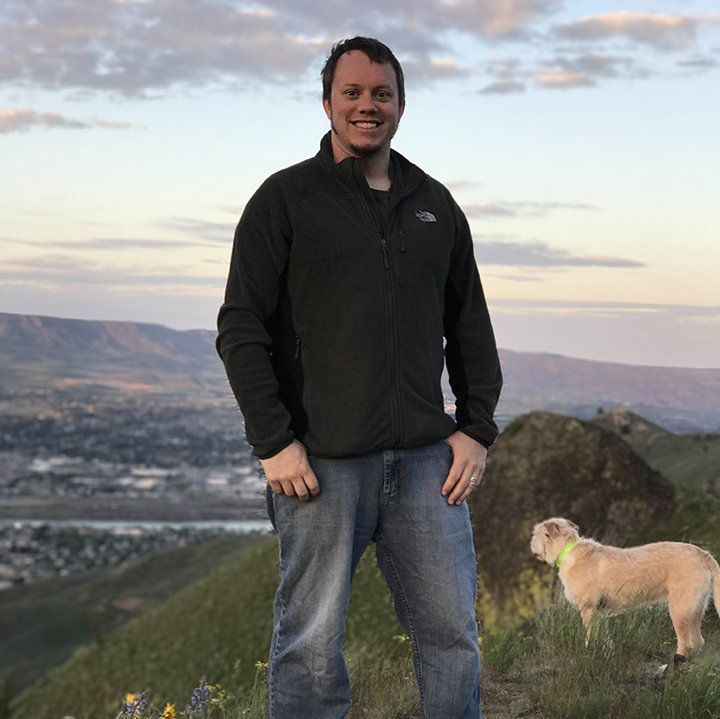
Rob Lewis brings an extensive creative and technical background, helping turn ideas into thoughtful, impactful design. Originally from Portland, Oregon, Rob studied at the Art Institute in Phoenix and has worked in the graphic design industry for many years.
His experience spans silkscreen printing, graphic design, website development, wide-format printing, vehicle graphics, and integrated marketing solutions. Through years of hands-on work, Rob has built a deep understanding of both the creative and production sides of design.
In 2013, Rob and Mary co-founded R Digital Design, combining their skills to support businesses, organizations, and community-centered projects. Currently, Rob works in the fruit industry as a graphic designer, supporting agricultural brands through visual storytelling, packaging, and marketing materials that connect growers, distributors, and consumers. Outside of his creative work, Rob enjoys spending time outdoors hiking, playing disc golf, and mountain biking.
2013
Our entrepreneurship journey began in 2013, when husband-and-wife duo Rob Lewis and Mary Big Bull-Lewis launched their first business, R Digital Design.
The year leading up to the launch was spent intentionally preparing. Mary immersed herself in learning how to operate a small business—meeting with local Small Business Administration advisors, learning QuickBooks, filing the necessary documents to become an official business, and assuming the full responsibilities of marketing and operations.
After returning to school in 2010 and graduating from Wenatchee Valley College in 2011, Mary used her degree to help sustain their family while they leaped into entrepreneurship. That foundation of preparation, resilience, and shared commitment allowed them to jump in fully and begin building a business rooted in creativity, partnership, and long-term vision.

2015
Inspired by the land.
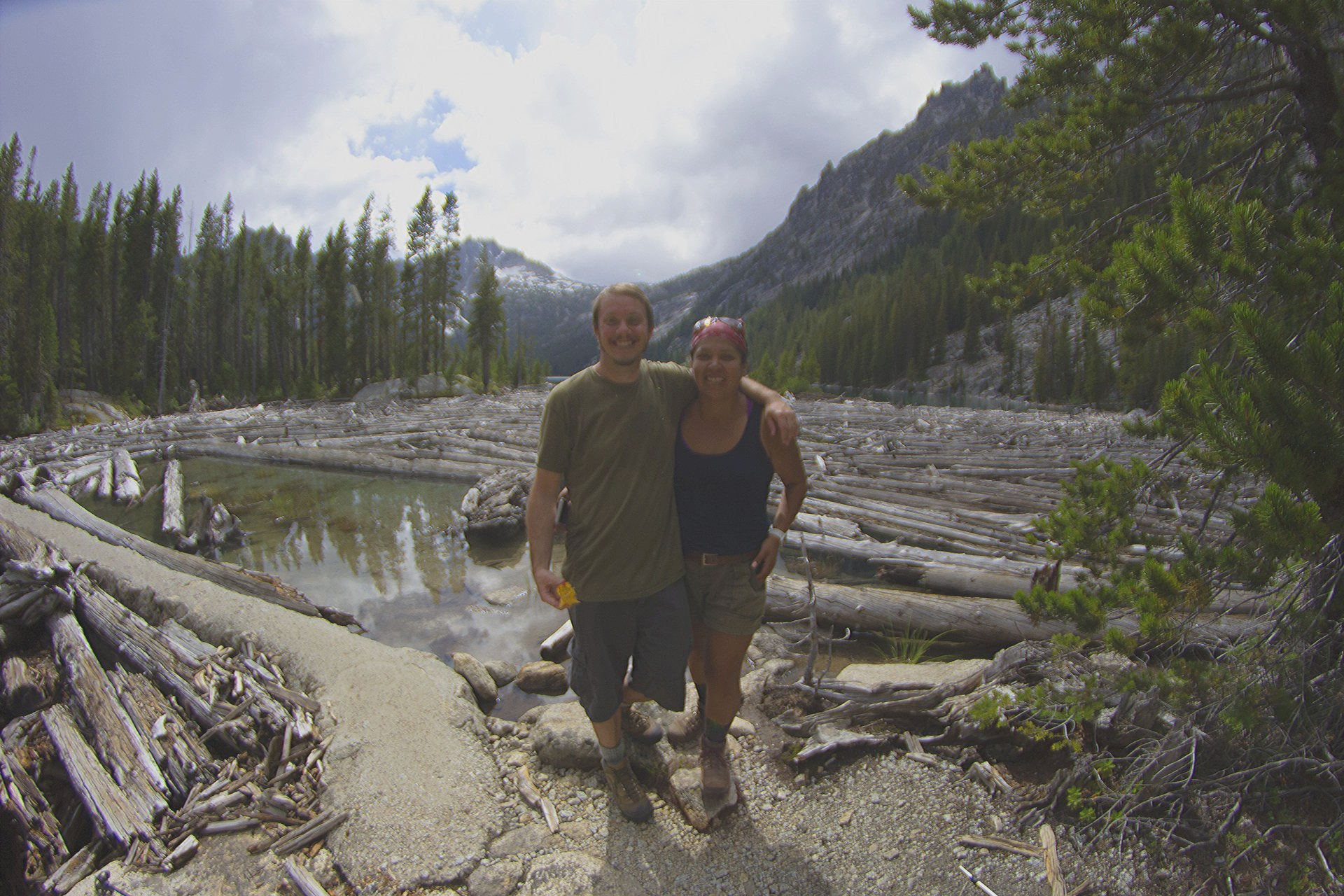
Some of our clearest ideas emerged while hiking and backpacking—on the trail, in conversation, and in stillness. It was during these moments that we began dreaming collectively about creating a clothing brand rooted in our shared love for the outdoors.
Rob had summited multiple mountains across Washington and Oregon, and together we spent time on overnight backpacking trips and day hikes. Those experiences on the land sparked a vision to create something unique—apparel inspired by movement, place, and connection to the outdoors.
2016
This year marked a profound pivot for Mary. She began intentionally seeking the connections she had been searching for her entire life—connections to culture, community, and self. Through counseling with a Native American woman in Omak, Mary was welcomed into culturally significant teachings and practices, including learning how to build a sweat lodge.
After participating in her first sweat, Mary experienced a deep sense of belonging and clarity—finding something she had long felt was missing.
“When I speak of being home after my first sweat, I speak from my healing. It took me well into adulthood to understand who I am and to give myself permission to be authentic. We grow up trying to fit into expectations shaped by colonized criteria. I never fit that mold, and I knew that deep in my soul. This first sweat connected me spiritually to my culture—something I sought my entire life.”
Through ceremony, Mary came to understand how intention is strengthened through community. Ceremony focuses attention until attention becomes intention—creating accountability, grounding, and connection beyond the individual.
Ceremony transcends the boundaries of self and reaches into the spiritual and natural realms. These acts of reverence are not symbolic alone—they are pragmatic, life-affirming practices that sustain community and magnify life.
While time and history have unraveled parts of ceremonial traditions in many Indigenous communities, the fabric remains strong. In dominant society, ceremony has often faded—displaced by speed, individualism, and disconnection. The ceremonies that remain tend to center only personal milestones, rather than collective responsibility, land, and relational accountability.
For Mary, returning to ceremony was not about looking backward—it was about remembering, healing, and reclaiming a way of being that had always been waiting.
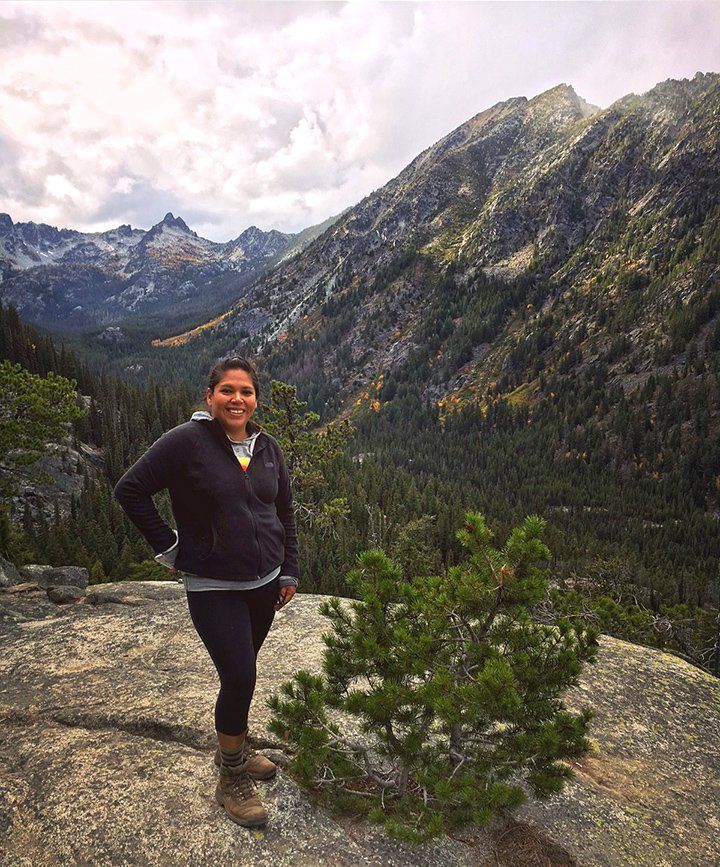
While hiking in the Enchantments, Mary continued deepening her relationship with the land while forming new relationships within the Indigenous community. She dedicated time to learning—researching her ancestors’ histories, understanding their struggles, and honoring their enduring connection to place.
Growing up in a colonized space had created distance from culture, language, and teachings. Through reconnection, Mary began to carry forward the lessons she was learning, allowing herself to fully step into who she had always been—a Native American woman showing up authentically, guided by those who had laid the groundwork before her.
As she learned more, Mary realized that local Native American history had not been taught during her schooling in Wenatchee. She also discovered that her ancestors, the p’squosa (Wenatchi) Tribe, were often described as “extinct”—a narrative that erased living descendants, culture, and presence. This realization strengthened her purpose: to create positive change through truth-telling, visibility, and cultural restoration.
2018 - 2019
After years of searching for history books about local Native American tribes, Rob and Mary found themselves returning to an idea they had often discussed—creating a clothing brand rooted in place, purpose, and identity.
They envisioned something truly unique, from the name and font to the deeper intention behind the work. Choosing Wenatchi, the original tribal spelling of Mary’s ancestors, felt both fitting and necessary. The font is Mary’s own handwriting, and every design is original—many beginning as pencil-and-paper sketches before being transformed into digital art. The logo was intentionally created to be simple and timeless.
From the beginning—and still today—the goal has been to empower Indigenous Peoples through authentic threads and art. Each piece is designed with purpose, sharing local Native American history and stories through contemporary expression.
Around this time, Mary met her uncle, Randy Lewis, at a social gathering where they were the only Native people present. That reconnection became meaningful, and they continue to collaborate and create together.
To bring the vision fully to life, Mary taught herself how to build an e-commerce website and set a goal to launch Wenatchi Wear in April 2019.
Wenatchi Wear art is a modern expression of nature, legend, history, and joy—grounded in culture and designed to be worn with intention.
By 2019, R Digital Design reached its five-year goal of moving into a commercial space. For the first several years, Rob and Mary had intentionally kept overhead low, operating from their home while building a strong foundation. That year marked a pivotal moment—expanding their first business while simultaneously launching a new one.
R Digital Design needed a commercial shop that could support vinyl graphics production and allow room for continued growth. At the same time, Wenatchi Wear officially launched online, with Rob and Mary beginning to participate in local farmers' markets and holiday pop-up events.
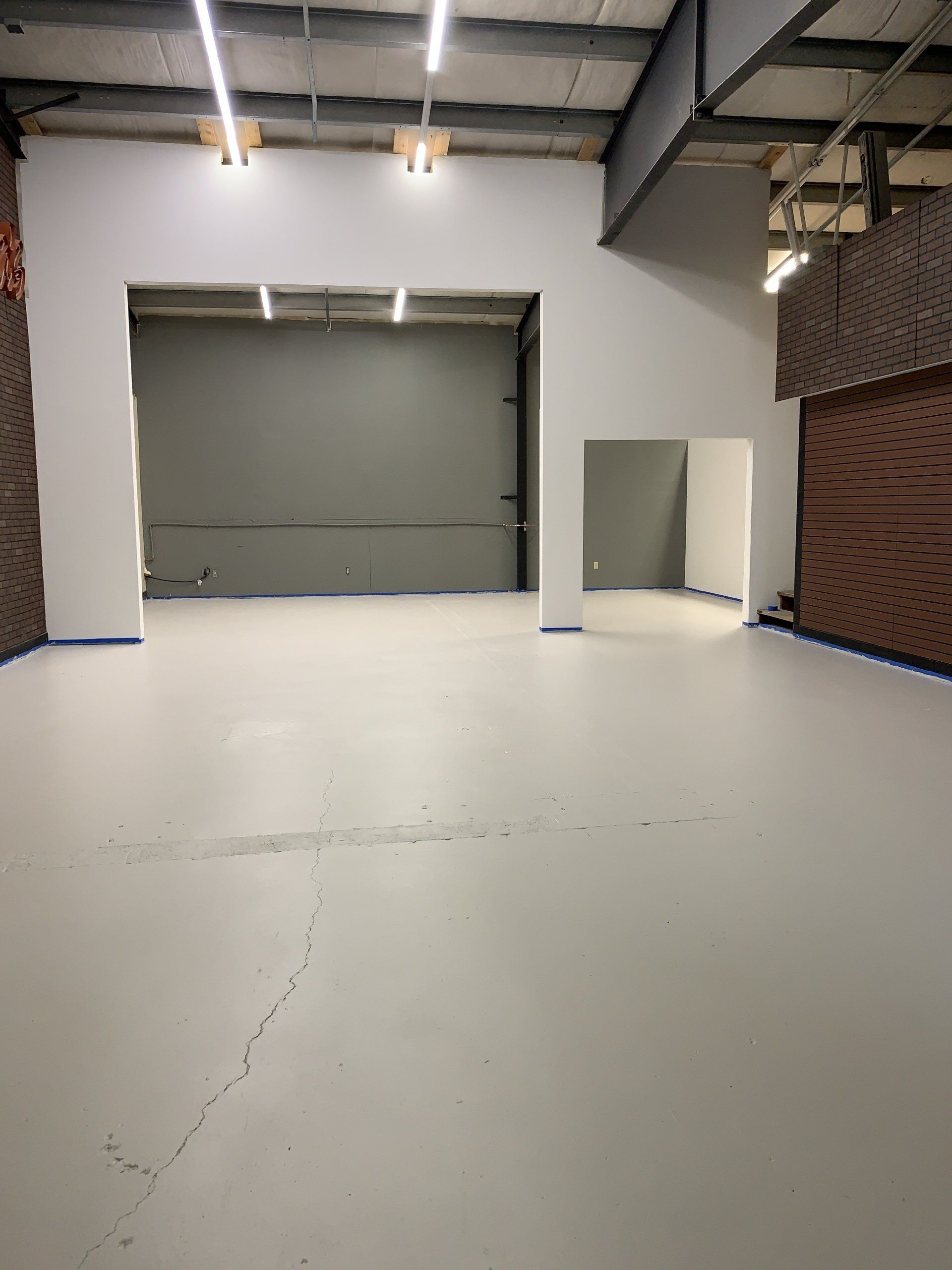
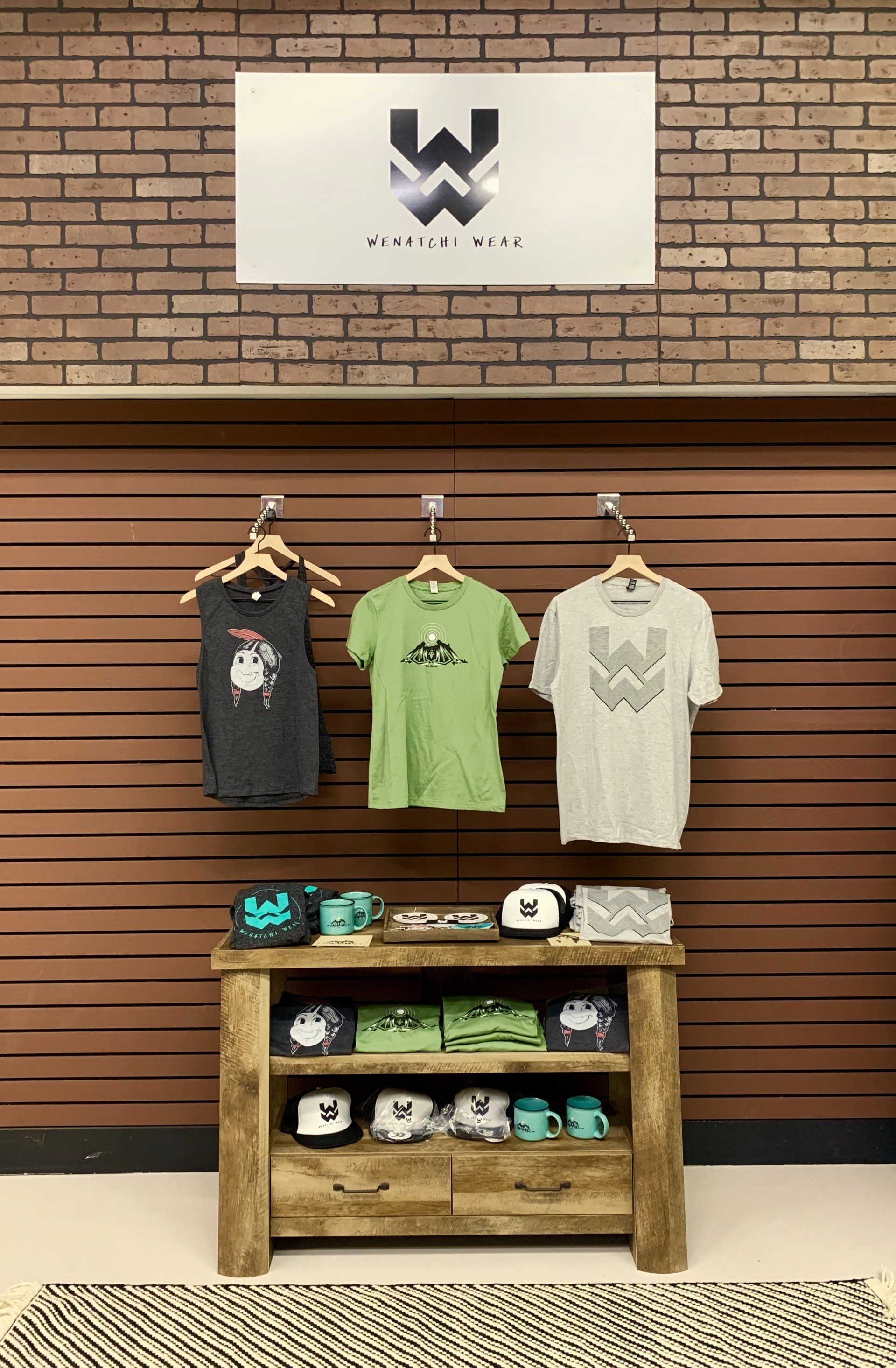
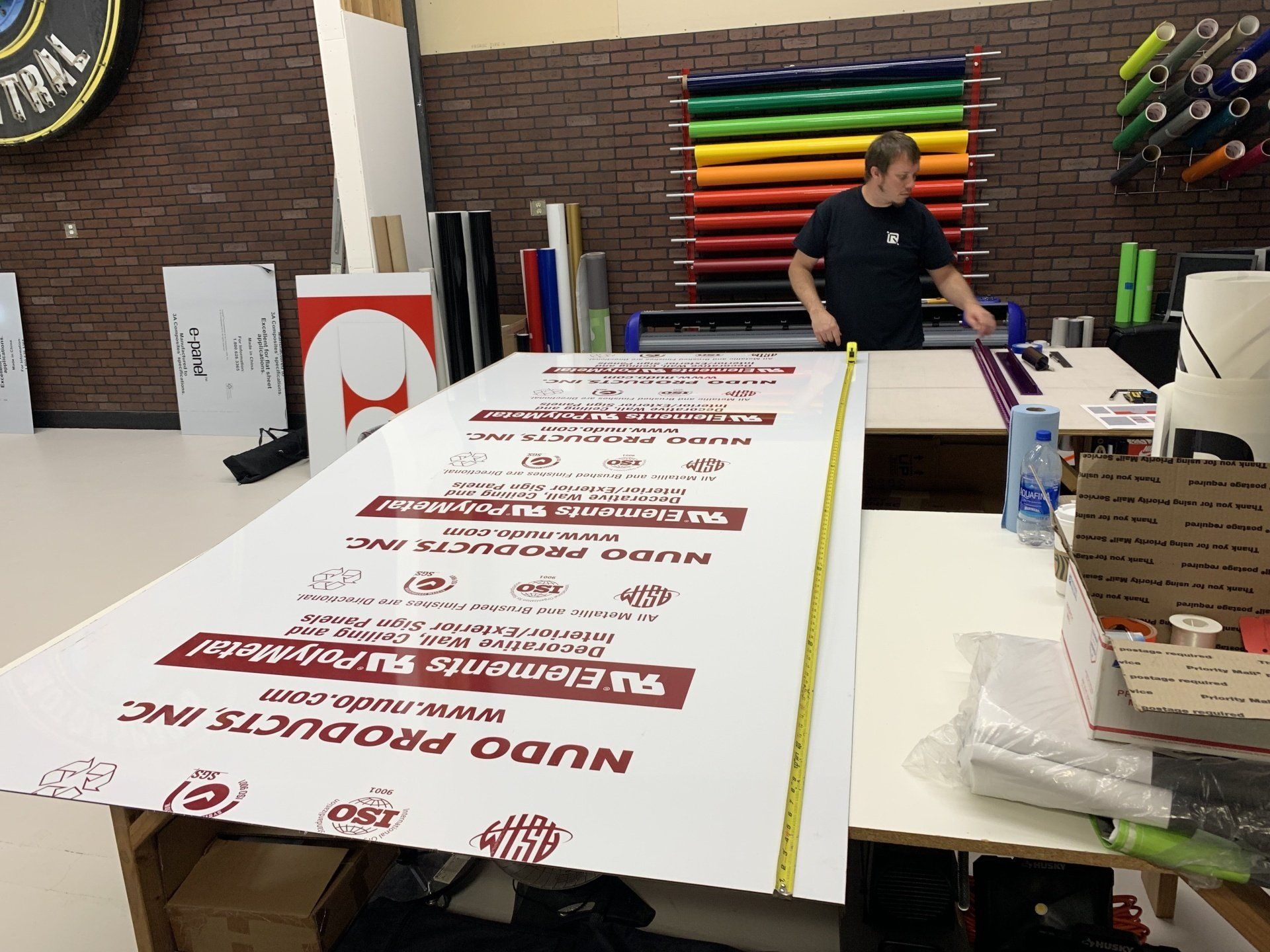
They prepared the new-to-them shop space together—cleaning and painting floors and walls, installing new lighting, and transforming it into a shared home for both R Digital Design and Wenatchi Wear. Equipment for R Digital Design was moved in alongside the first Wenatchi Wear products.
Mary continued researching marketing strategies for clothing brands and reached out to local influencers to represent Wenatchi Wear. Local news outlets soon followed, sharing stories about the new venture and helping build community awareness.
During this same period of growth, Mary was also reflecting on how to give back to her community. These reflections planted the early seeds for a #LandBack nonprofit, setting the foundation for what would later become the Indigenous Roots & Reparation Foundation.
The onset of the pandemic brought new challenges for Rob and Mary, as social gatherings and businesses across the country were forced to close. For small business owners—especially those with a newly launched venture—adaptation was essential. Fortunately, having Wenatchi Wear’s e-commerce website already live allowed customers to shop safely from home, keeping the business resilient during uncertain times.
During this period, a local news station, NCW Life Magazine, featured Wenatchi Wear in a half-hour segment. Mary and her uncle, Randy Lewis, shared the story behind the Skookum design and the brand’s purpose. The segment aired multiple times a day over several months, boosting awareness and online sales. While the commercial shop temporarily closed, both businesses continued operating by moving computers and equipment home.
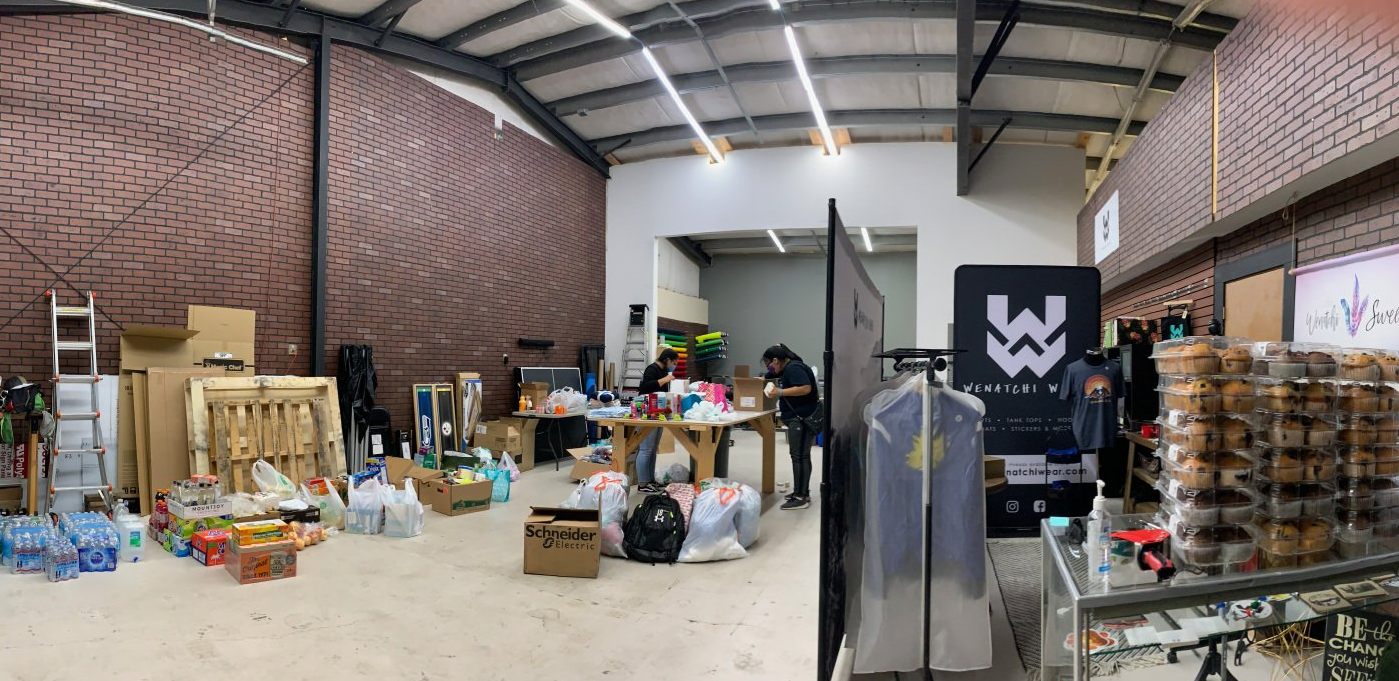
That same year, wildfires on the Colville Reservation in Washington State left many families without homes, clothing, food, or shelter. Mary issued a call for help to the local community, opening their shop space to collect donations. They partnered with Indigenous-led organizations to distribute supplies, with community members transporting goods to the reservation, rebuilding livestock fencing, and providing essential support.
The experience highlighted a critical need: a safe, supportive space for Indigenous Peoples. Many families had been sent to Wenatchee hotels with only what they could carry, and pandemic restrictions made it difficult for larger organizations to meet these immediate needs. This realization became a catalyst for envisioning a
community-centered, Indigenous-led nonprofit.

2021
This was a big year for Rob and Mary—both personally and professionally. Their son moved into his university dorm, marking their transition into empty nesters.
Pop-up events were gradually returning to Wenatchee, and their shop space began hosting their own events, allowing customers to visit in person—though scheduling was sometimes dependent on vehicle wrap projects. The space quickly became too small, and the couple began searching for the “unicorn” location: a space that could accommodate both businesses while meeting their long list of needs.
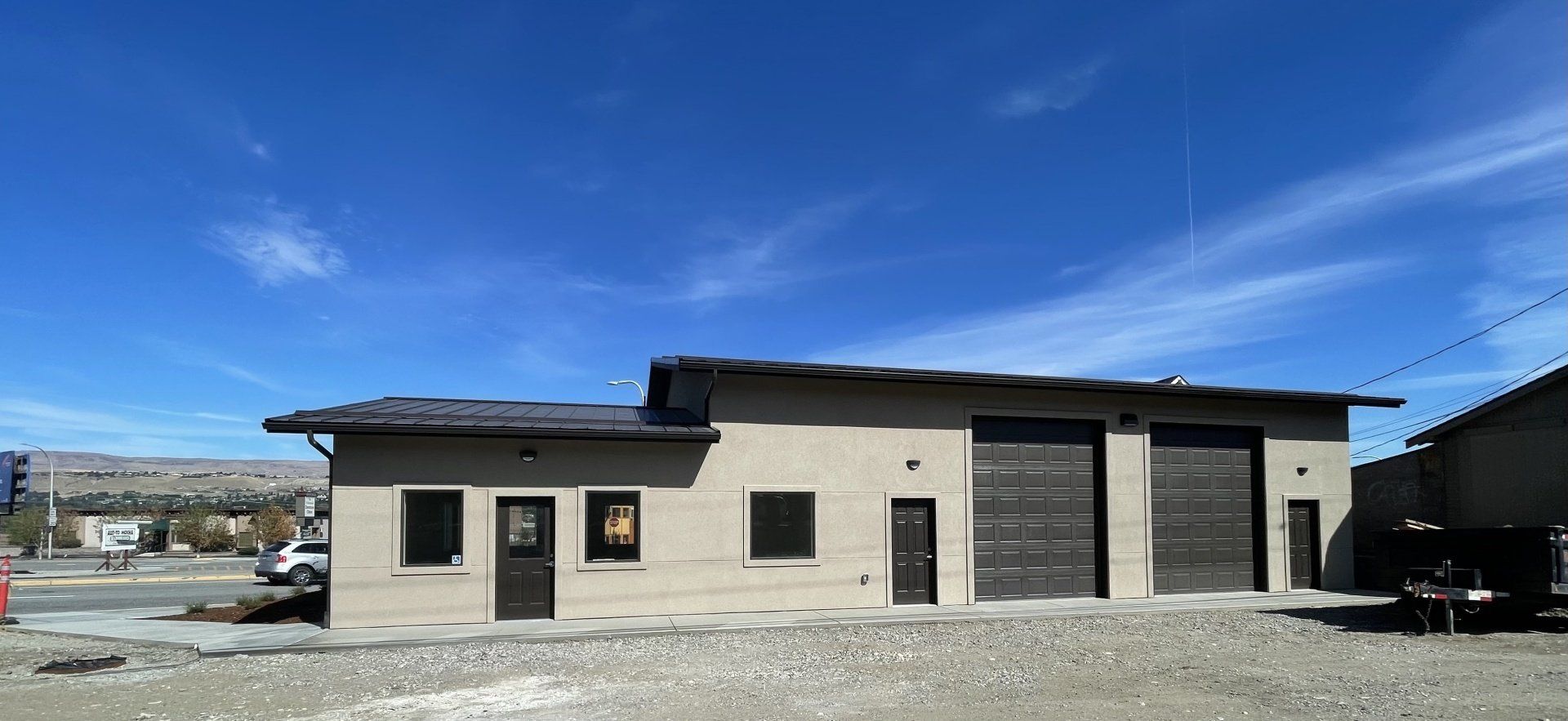
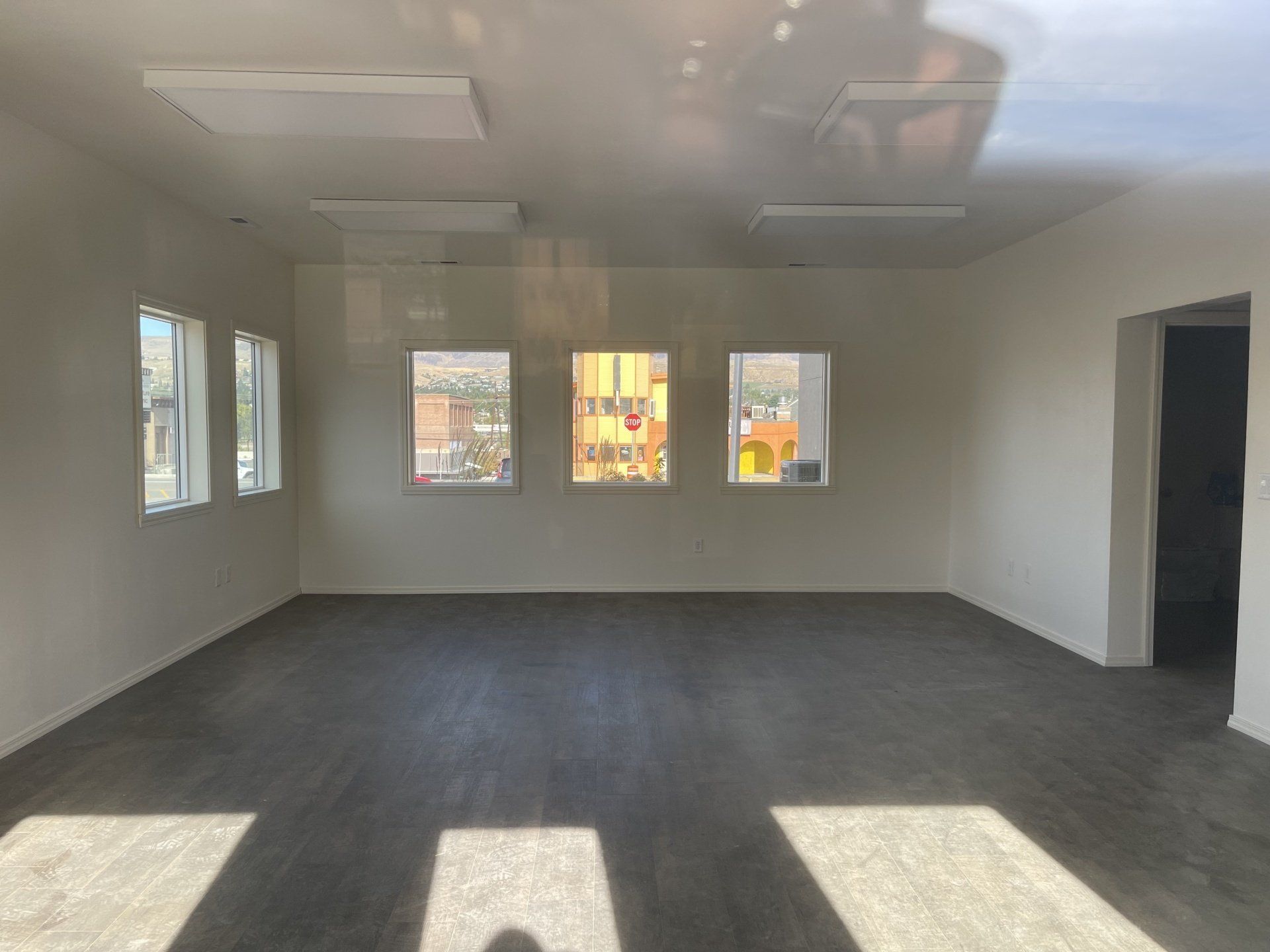
Their search ended in South Wenatchee, the neighborhood where Mary grew up. A newly built building provided everything they had hoped for: dedicated retail space for Wenatchi Wear, two large shop doors, and ample room for oversized vehicles. Moving in was a big step and commitment, but the decision proved right. A ribbon-cutting ceremony, partnered with the Wenatchee Chamber of Commerce, followed a month later, and the first holiday season in the new space was a remarkable success.
Meanwhile, progress with the Indigenous-led nonprofit continued. IRRF became 501c3 nonprofit! Washington State publications reached out to interview Rob and Mary, sharing stories of their work and impact—see our Publications page for coverage.
Learn more or support their mission on the Donate page, or visit www.indigenousrrf.org to explore the Indigenous Roots & Reparation Foundation
2022
One year after moving into their new location, both R Digital Design and Wenatchi Wear continue to thrive.
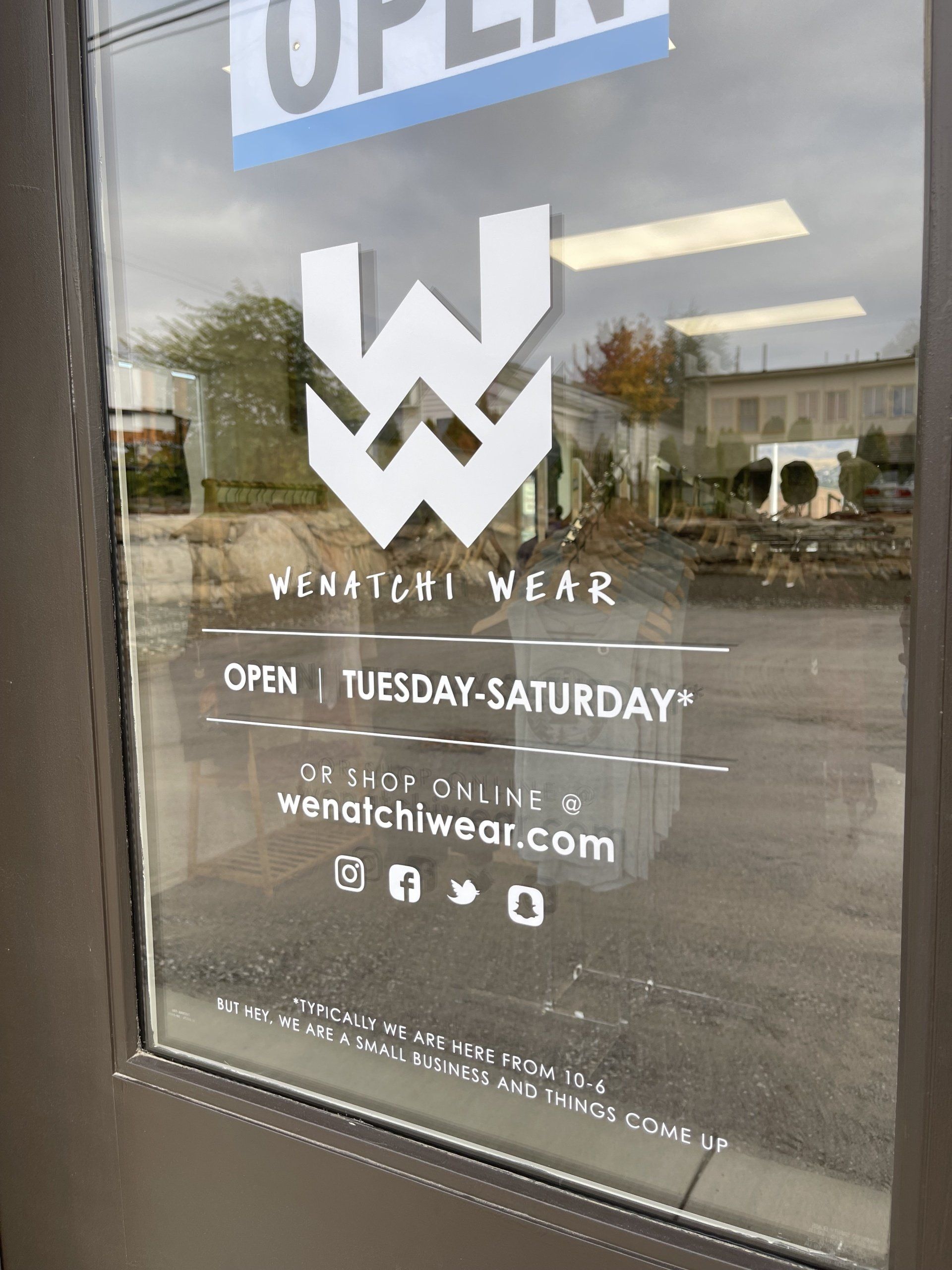
Wenatchi Wear is proud to create space for Native and Indigenous artists and small business owners in the retail location. By highlighting Indigenous art, the brand brings awareness to the importance of authentic, ethically created work—strengthening community while guiding consumers away from appropriated or unethical products.
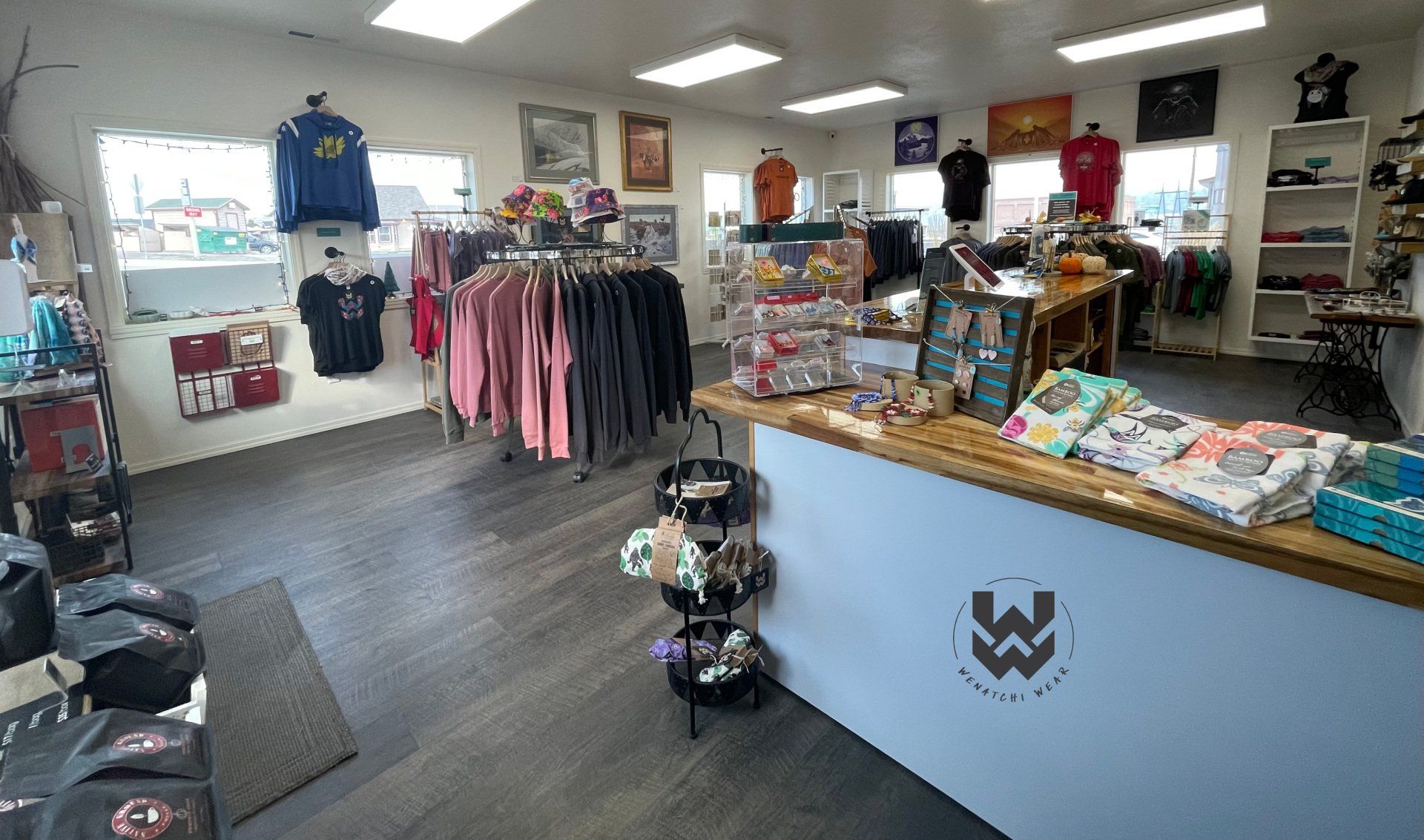
New products and designs were added weekly, offering a wide range of items—perfect gift ideas for everyone.
Shopping online or visiting the store, conveniently located
with easy access from S Mission Street.
2024
Adapting and Evolving
We learn, grow, and adapt—and 2023 was a year of big decisions and transitions. After careful consideration, we decided to retire the Wenatchi Wear brand. It wasn’t an easy choice, but one we had contemplated for some time. We are proud of the impact this small brand made in just four years.
With the retail store closed, we spent the early part of 2024 in an incubator phase, reflecting, planning, and preparing for the next chapter. Meanwhile, R Digital Design celebrated its 11th anniversary, continuing to keep us inspired and busy.
Looking ahead, our goal is to relaunch the retail shop as the Evergreen Gift Shop. The new shop will continue to feature authentic Native American art while also supporting local artisans. The Evergreen Gift Shop curates unique gifts for everyone, blending culture, creativity, and community in one welcoming space.
2025 and Beyond – Continuing with Purpose
As we move forward, we continue to honor what is right for our hearts, health, and wellbeing. After operating three small businesses over the past 12 years in the Wenatchee Valley, we’ve both chosen to slow down and focus on what matters most.
Mary now serves as Executive Director of the nonprofit she founded, the Indigenous Roots & Reparation Foundation, dedicating her time, energy, knowledge, and passion to a community-based organization that strengthens Indigenous voices and land stewardship. Rob has taken on a graphic design role with a local company, allowing him to focus his creative talents in one space alongside a great team.
R Digital Design continues to operate on a smaller scale, taking on projects throughout the year as time allows. The Evergreen Gift Shop has moved to an online-only model, offering all products—including remaining Wenatchi Wear items—through the website. EGS also takes on custom projects as time permits, specializing in laser-engraved products.
Mary’s new venture, Buffalo Biscuits, features custom-designed, hand-painted, and wood-engraved jewelry, wool cowls, and more. Rob continues creating custom wood-engraved maps of the local area, with plans to expand further.
We are deeply grateful to our community, customers, and supporters for walking alongside us throughout this journey. Your encouragement has made everything possible.